
The kitchen is one of the busiest areas in many homes, which means even small organizational problems can quickly become noticeable. When ingredients, cookware, utensils, and other essentials are difficult to find, preparing meals can take more time and leave the space feeling unnecessarily busy.
A functional kitchen is not simply about having plenty of storage. It is also about arranging belongings in a way that supports cooking, cleaning, and other daily activities. With a few thoughtful adjustments, you can create a kitchen that feels easier to use while keeping essential items accessible.
Group Items According to How They Are Used
One practical way to improve a kitchen is to organize belongings according to their purpose. Instead of placing items wherever there happens to be available space, consider which products are commonly used together.
Cooking utensils can be kept near the areas where meals are prepared, while plates and serving pieces can be positioned closer to where food is served. Baking supplies can have their own designated area, making it easier to gather what you need before starting a recipe.
This approach creates a more logical arrangement and can make everyday kitchen tasks feel more streamlined.
Make Meal Preparation Areas Easier to Use
A clear preparation area can make a significant difference when cooking. If countertops are occupied by appliances, containers, and miscellaneous belongings, there may be less room available for chopping, mixing, assembling, or plating food.
Keep the items that you use most frequently accessible without allowing them to take over your main work surface. Compact kitchen accessories can help keep smaller tools organized while leaving more room for actual food preparation.
Before adding another item to the counter, consider whether it needs to remain there permanently or could be stored nearby when not in use.
Organize Cabinets With Accessibility in Mind
Kitchen cabinets can hold a large number of belongings, but poorly arranged shelves can make it difficult to locate what you need. Items can become hidden behind one another, particularly when several similar products are stored together.
Arrange frequently used dishes, cookware, and kitchen essentials where they can be reached easily. Less frequently used items can occupy areas that are harder to access.
It can also help to group similar items together rather than spreading them throughout different cabinets. This makes it easier to know where something belongs and simplifies the process of putting things away.
Give Kitchen Tools Their Own Space
Small kitchen tools can quickly become scattered across drawers and countertops. Measuring tools, utensils, peelers, serving accessories, and other everyday items are easier to manage when they have designated storage areas.
Use organizers or containers to separate smaller tools and prevent drawers from becoming difficult to navigate. Keeping similar items together also makes it easier to see what you have before preparing a meal.
A well-arranged drawer does not need to contain fewer items; it simply needs a system that makes those items easy to locate.
Keep Food Storage Easy to Monitor
A kitchen can become difficult to manage when food containers and pantry items are stored without a clear arrangement. Similar ingredients may be placed in different areas, making it harder to know what is available.
Grouping pantry items by type can make the space easier to understand. Dry goods, cooking ingredients, snacks, and other categories can each have their own areas.
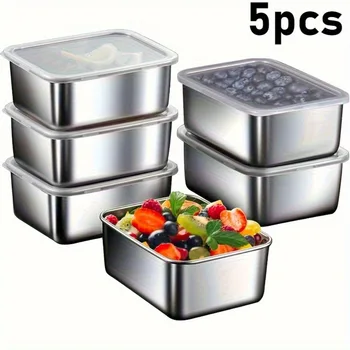
Clear or easily identifiable containers can also make frequently used ingredients simpler to locate. The objective is to create a setup where you can quickly see what you have rather than having to search through every shelf.
Make Cleaning Part of the Organization System
Kitchen organization is easier to maintain when cleaning is considered alongside storage. Items that are difficult to wipe around or frequently left in inconvenient places can make everyday cleanup more time-consuming.
Try to keep surfaces reasonably clear and return tools to their designated areas after use. Kitchen accessories that are easy to clean and store can also support a more manageable routine.
Rather than waiting for clutter to build up, small resets throughout the day can help keep the kitchen ready for the next activity.
Build a Kitchen Around Your Routine
Every household uses its kitchen differently. Some people cook frequently, while others primarily use the space for quick meals, entertaining, or preparing drinks and snacks. Your organization system should reflect these habits.
Pay attention to which areas tend to become crowded and which items you reach for most often. These observations can help you decide where changes would have the greatest practical impact.
A functional kitchen does not have to look perfectly arranged at all times. It simply needs to make everyday activities easier. By grouping related items, improving cabinet accessibility, protecting useful counter space, and creating practical storage habits, you can build a kitchen that supports your routine instead of slowing it down.
Explore our product collection for practical kitchen essentials that can complement your everyday setup.




0 Comments